
Posted on

Interlocking Garage Floor Tiles vs. Epoxy: Which Is Better for Your Garage?

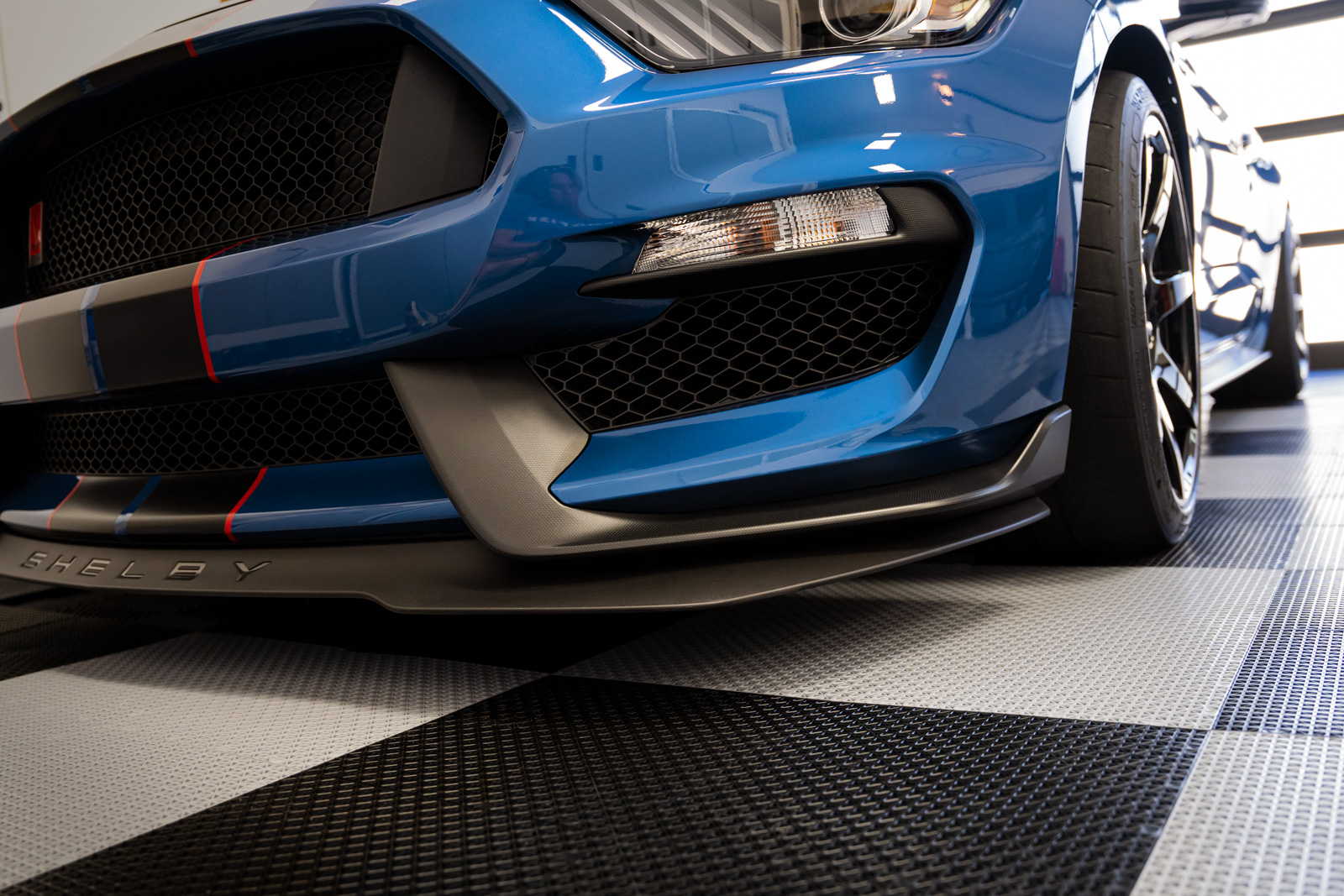
RaceDeck interlocking garage floor tiles installed under a Ford Mustang

Interlocking Garage Floor Tiles vs. Epoxy: Which Is Better for Your Garage?

RaceDeck interlocking garage floor tiles installed under a Ford Mustang

When it comes to upgrading your garage floor, two options consistently top the list: interlocking garage floor tiles and epoxy floor coatings. Both transform plain concrete into a cleaner, more attractive, and functional surface—but they take very different approaches.

If you’re trying to decide between the two, it’s important to look beyond appearance. Installation, durability, maintenance, and long-term value all play a role in determining which flooring system is the better investment.

Here’s how interlocking garage floor tiles compare to epoxy.


Installation: A Quick Upgrade vs. A Multi-Day Project

One of the biggest differences between garage floor tiles and epoxy is the installation process. Compare below:

Interlocking Garage Floor Tiles Installation

Modular garage floor tiles are designed for easy DIY installation. The tiles simply snap together over your existing concrete slab with no adhesives, grinding, or curing required. In most cases, all you need to do is sweep the floor before installation.

Most homeowners can install a two-car garage floor in just a few hours—and park on it immediately after finishing.

At BigFloors, popular modular flooring options include:

  • RaceDeck® – Premium modular garage flooring available in free-flow and solid-top designs with a wide variety of colors and patterns.
  • GarageTrac® – An affordable, durable tile built for everyday residential garages.
  • GarageDeck® Coin-Top – A solid-top modular tile that resists automotive fluids and offers an easy-to-clean surface.

Epoxy Installation

Installing an epoxy floor is much more involved.

Proper installation typically includes:

  • Repairing cracks
  • Removing oil and grease
  • Grinding or etching the concrete
  • Applying multiple coats
  • Allowing several days of curing before the floor can be used

If the concrete isn’t properly prepared, the coating may eventually peel or delaminate.

Winner: Interlocking Garage Floor Tiles


Durability of Garage Floor Tiles vs Epoxy

While both flooring options are designed for garage environments, interlocking garage floor tiles offer a significant advantage when it comes to long-term durability.

Interlocking Garage Floor Tiles Durability

Premium modular tiles are engineered to withstand years of heavy use. Products like RaceDeck®, GarageTrac®, and GarageDeck® are designed to support the weight of passenger vehicles, trucks, motorcycles, toolboxes, floor jacks, and rolling equipment without failing under normal garage conditions.

Unlike epoxy, modular tiles are not bonded to the concrete. They can flex slightly as the concrete expands and contracts with seasonal temperature changes, reducing the risk of cracking or surface failure.

Perhaps the biggest advantage is repairability. If a tile is ever damaged, stained, or worn, you simply replace that individual tile in minutes instead of refinishing the entire floor.

Epoxy Durability

A professionally installed epoxy floor is durable, but its lifespan depends heavily on proper installation and the condition of the concrete beneath it. Over time, impacts, moisture vapor, hot tire pickup, or normal wear can cause epoxy coatings to chip, crack, or peel.

When damage occurs, repairs are often noticeable and may require recoating an entire section—or even the whole garage—to restore a consistent finish.

Winner: Interlocking Garage Floor Tiles


Garage Tiles vs Epoxy Moisture Resistance

Concrete naturally absorbs and releases moisture throughout its life.

How Interlocking Garage Floor Tiles Handle Moisture

Because modular tiles float above the concrete, moisture vapor can dissipate beneath the floor instead of becoming trapped.

Vented garage floor tile designs, like RaceDeck Free-Flow, also allow rainwater, melted snow, and dirt to drain beneath the surface, helping keep the garage cleaner and reducing standing water.

How Epoxy Handles Moisture

Epoxy creates a sealed surface over the concrete. If excessive moisture vapor rises through the slab, it can eventually cause bubbling, blistering, or delamination.

Moisture testing is recommended before installing epoxy—especially in older garages.

Winner: Interlocking Garage Floor Tiles


Garage Flooring Tiles Appearance and Customization vs Epoxy

Both flooring systems dramatically improve the look of a garage, but they offer different design possibilities.

Epoxy Designs

Epoxy provides a seamless, glossy finish and is available with decorative flakes, metallic pigments, and various color options.

Many homeowners appreciate its clean, showroom-style appearance.

Garage Floor Tile Designs

Modular flooring offers nearly unlimited customization.

With RaceDeck and other modular systems, you can create:

  • Checkerboard patterns
  • Racing stripes
  • Borders
  • Custom logos
  • Parking guides
  • Multi-color layouts

Unlike epoxy, these designs can easily be changed later by replacing or rearranging individual tiles.

Winner: Tie Depending on Preference


Maintaining Garage Floor Tiles vs Epoxy

A garage floor should be easy to keep clean. Maintaining your garage floor shouldn’t be a cumbersome process. Let’s dig into it.

Interlocking Garage Floor Tiles Maintenance

Routine maintenance is simple:

  • Sweep or vacuum debris
  • Mop as needed
  • Replace individual tiles if they become damaged

GarageDeck Coin-Top tiles are especially easy to wipe clean after automotive projects thanks to their solid surface.

Epoxy Maintenance

Epoxy also cleans easily, but scratches, chips, and worn areas remain until the coating is repaired or refinished.

Winner: Tie Assuming Epoxy Isn’t Flaking or Chipped


Interlocking Tiles vs Epoxy Installation Downtime

For many homeowners, the garage can’t be out of commission for several days.

Interlocking Garage Floor Tiles Installation Timeline

  • Install in a few hours
  • Drive on immediately
  • Easy DIY install, professionals not needed

Epoxy

Most epoxy systems require several days before vehicles can be parked on the floor due to curing times. Here’s some things to consider:

  • You’ll need to keep you garage clear for several days while you epoxy cures
  • The chemicals used in epoxy installation can produce fumes harmful to your family and pets. Keep the area clear and well ventilated.
  • Professional install recommended. Paying the high price of install can be hard, but is worth it. DIY epoxy generally run into issues with flaking earlier than professionally installed epoxy.

Winner: Interlocking Garage Floor Tiles

Installing garage floor tiles is faster, cheaper, and easier.


Long-Term Value Between Epoxy and Garage Floor Tiles

Garage flooring is an investment, so it’s worth considering how each option performs over time.

Interlocking Garage Floor Tiles Value

Modular flooring offers flexibility that epoxy simply can’t match.

Individual tiles can be replaced if damaged, expanded if your garage grows, or even taken with you if you move. Because the floor isn’t permanently bonded to the concrete, it remains adaptable for years to come.

Epoxy Long-Term Value

Epoxy is a permanent coating. If it becomes damaged or you decide to change the appearance, refinishing usually involves grinding off the existing coating before applying a new one.

Winner: Interlocking Garage Floor Tiles


Interlocking Garage Floor Tiles vs. Epoxy: Side-by-Side Comparison

FeatureInterlocking Garage Floor TilesEpoxy
DIY Installation✔ EasyRequires extensive prep
Ready to Use✔ ImmediatelySeveral days of curing
Long-Term Durability✔ ExcellentGood
Repairability✔ Replace one tileOften requires recoating
Moisture Resistance✔ ExcellentCan be affected by moisture vapor
Custom Designs✔ Nearly unlimitedModerate
Maintenance✔ Very easyEasy
Can Move With You✔ YesNo

Which Garage Flooring Is Right for You?

If you’re looking for a floor that’s quick to install, exceptionally durable, easy to maintain, and built to last for years of everyday use, interlocking garage floor tiles are the clear winner.

Epoxy can provide an attractive, seamless finish, but it requires extensive preparation, several days of downtime, and may eventually need repairs or refinishing if the coating chips or peels.

For homeowners who want a garage floor that performs as well as it looks, modular flooring offers greater flexibility, easier maintenance, and superior long-term durability.


Upgrade Your Garage with BigFloors

At BigFloors, we specialize in premium modular garage flooring that combines professional-grade performance with DIY-friendly installation. Whether you’re interested in the premium styling of RaceDeck®, the everyday durability of GarageTrac®, or the easy-to-clean surface of GarageDeck® Coin-Top, you’ll find a flooring solution designed to handle real-world garage use.

Browse our selection of interlocking garage floor tiles and discover why more homeowners are choosing modular flooring over traditional epoxy coatings. Your garage deserves a floor that’s built to perform—and built to last.

Posted on

Cracked Garage Floor? Here’s What Your Concrete Is Trying to Tell You

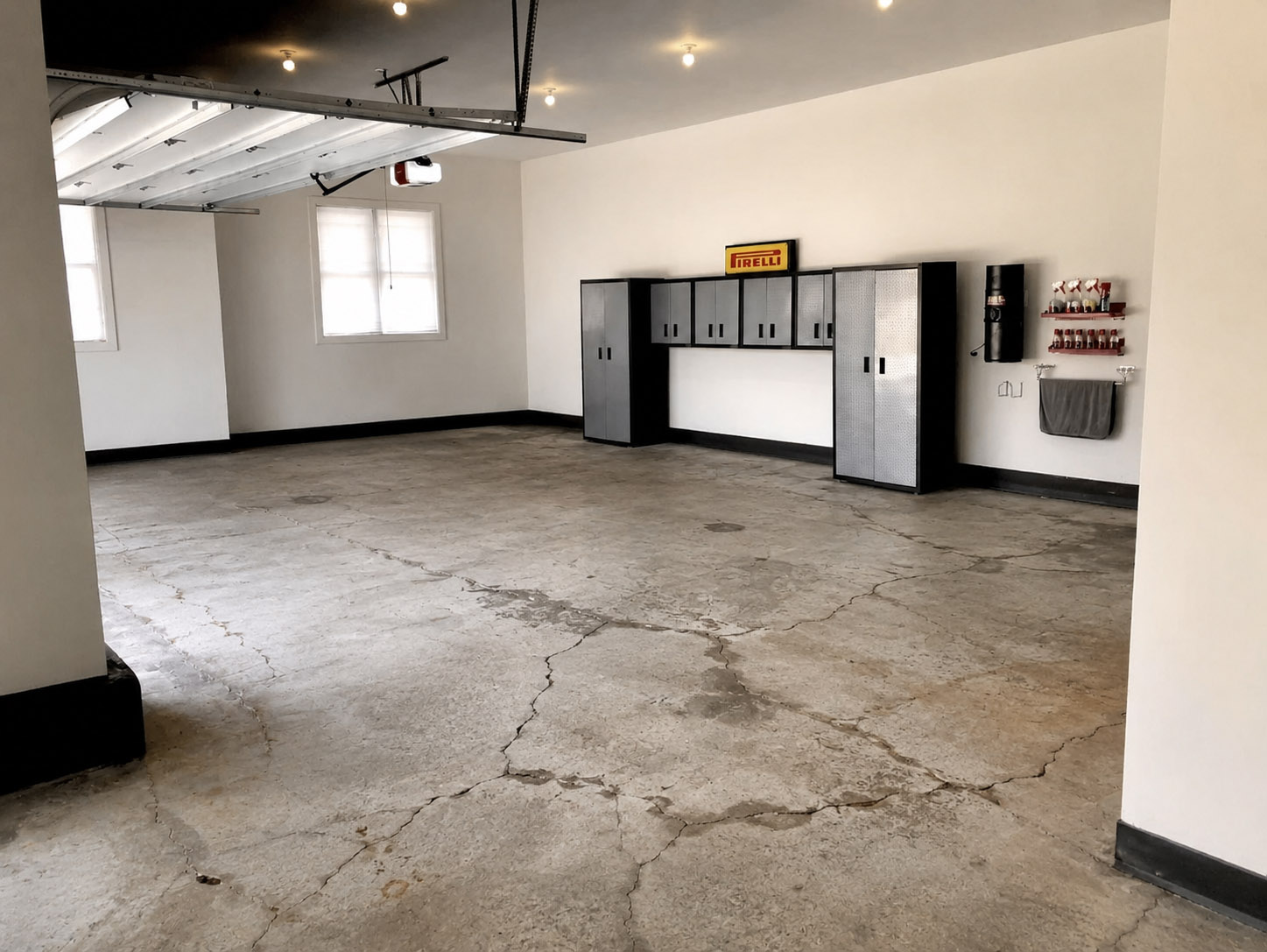
Garage floor with cracked concrete

Cracked Garage Floor? Here’s What Your Concrete Is Trying to Tell You

You walk into your garage one day and notice a crack running across the floor. Maybe it’s small. Maybe it’s grown larger over time. Either way, it’s natural to wonder: Is this normal, or is something wrong with my garage floor?

The truth is that most concrete garage floors will crack eventually. Concrete is durable, but it’s constantly exposed to forces that cause movement, stress, and wear. Understanding why garage floors crack can help you determine whether the damage is cosmetic or a sign of a bigger issue.

In this guide, we’ll break down the most common causes of garage floor cracks, when you should be concerned, and what options homeowners have for improving the appearance and durability of their garage floor.


Is It Normal for a Garage Floor to Crack?

In many cases, yes.

Concrete naturally expands, contracts, and settles over time. Because it isn’t flexible, those movements often result in cracking.

That’s why professional concrete installers use control joints—intentional grooves designed to encourage concrete to crack in predictable locations rather than randomly across the surface.

While some cracking is expected, not all cracks are created equal.


The Most Common Causes of Garage Floor Cracks

 Not all cracks are the same and your approach may change depending on the crack type. Here are a few common instances to be aware of.

Natural Concrete Movement

Concrete begins changing the day it’s poured.

As it cures and dries, moisture leaves the slab, causing slight shrinkage. This process creates internal stress that can result in small hairline cracks.

These cracks are typically:


    • Thin and narrow
    • Stable over time
    • Cosmetic rather than structural


Many homeowners never notice them until years later.


Freeze-Thaw Cycles

If you live in a region with cold winters, weather may be playing a role in your cracked garage floor.

Water can seep into tiny pores and existing cracks in the concrete. When temperatures drop below freezing, that water expands, putting pressure on the slab.

Over multiple seasons, this repeated freeze-thaw cycle can cause:


    • Larger cracks
    • Surface chipping
    • Flaking concrete
    • Accelerated deterioration


Road salt brought in by vehicles can further contribute to surface damage.


Soil Settlement Beneath the Garage

Your concrete slab is only as stable as the ground beneath it.

If soil wasn’t properly compacted before construction—or if it shifts over time—the slab may lose support in certain areas.

This can cause:


    • Long cracks across the floor
    • Uneven surfaces
    • Sections of concrete that appear to sink


Settlement-related cracks are often larger than normal shrinkage cracks and may continue to worsen if the underlying issue isn’t addressed.


Heavy Vehicles and Equipment

Garage floors endure a tremendous amount of weight.

Modern pickup trucks, SUVs, electric vehicles, trailers, toolboxes, and workshop equipment can all place significant stress on concrete surfaces.

Over time, that weight can contribute to wear, especially in older garages or slabs that were not designed for heavier loads.

Repeated stress can widen existing cracks and create new weak points in the concrete.


Poor Drainage Around the Garage

Water doesn’t always damage concrete from above.

Poor drainage around a home’s foundation can allow water to collect beneath or alongside the garage slab.

This moisture can:


    • Wash away supporting soil
    • Increase freeze-thaw damage
    • Accelerate settling
    • Contribute to crack formation


If you notice standing water near your garage after rainstorms, drainage improvements may help prevent future floor damage.


Which Garage Floor Cracks Are Serious?

Most small cracks aren’t cause for alarm, but there are situations where further evaluation may be needed.

Consider consulting a professional if you notice:


    • Cracks wider than 1/4 inch
    • Significant height differences between slab sections
    • Rapidly expanding cracks
    • Water entering through the floor
    • Multiple intersecting cracks


These symptoms may indicate movement beneath the slab or other structural concerns.


Can Cracked Concrete Be Repaired?

Yes, but the best solution depends on the severity of the damage.

Minor cracks can often be filled with concrete crack repair products to help prevent moisture intrusion and further deterioration.

More significant cracking may require:


    • Slab stabilization
    • Concrete resurfacing
    • Partial replacement
    • Full replacement in severe cases


However, many homeowners aren’t looking to replace an entire garage floor simply because the concrete has become stained, worn, or cosmetically cracked.


A Simple Way to Improve the Look of a Cracked Garage Floor


RaceDeck Interlocking Garage Floors Installed Over Concrete Cracks

If the concrete is structurally sound but no longer looks its best, covering the surface can be a practical alternative to expensive replacement.

Modular garage flooring has become increasingly popular because it installs directly over existing concrete and creates a finished, professional appearance.

One of the most recognized options available is RaceDeck interlocking garage floor tiles.

RaceDeck’s interlocking tile system is designed to cover minor surface imperfections while creating a durable surface that’s easy to clean and maintain. Unlike coatings that rely heavily on the condition of the concrete beneath them, modular tiles provide an immediate transformation with minimal downtime.

Homeowners often choose RaceDeck because it:


    • Covers minor cosmetic cracks
    • Resists stains, chemicals, and moisture
    • Provides a professional showroom appearance
    • Installs quickly without extensive floor preparation
    • Can be customized with colors and patterns


For garages that are structurally sound but visually worn, modular flooring can provide a dramatic upgrade without the cost and disruption of replacing the slab.


Final Thoughts

Cracks in a garage floor don’t always mean something is wrong. In fact, some degree of cracking is a normal part of concrete’s life cycle. Factors like shrinkage, weather, soil settlement, heavy loads, and moisture all contribute to the wear and tear garage floors experience over time.

The key is understanding the difference between normal cosmetic cracks and signs of larger structural issues.

And if your goal is simply to improve the appearance and usability of an aging concrete floor, products like RaceDeck garage flooring can help transform cracked, stained concrete into a clean, durable space you’ll enjoy using every day.